Rio Tinto Guinea signs framework agreement with AGER to support rural electrification along the Simandou corridor
Conakry, Republic of Guinea – Rio Tinto Guinea signed a Framework Memorandum of Understanding (MoU) on 11 May 2026 with the Guinean Rural Electrification Agency (AGER) to strengthen cooperation in providing access to power along the Simandou development corridor. The MoU was signed in the presence of the Minister of Energy of the Republic of Guinea.
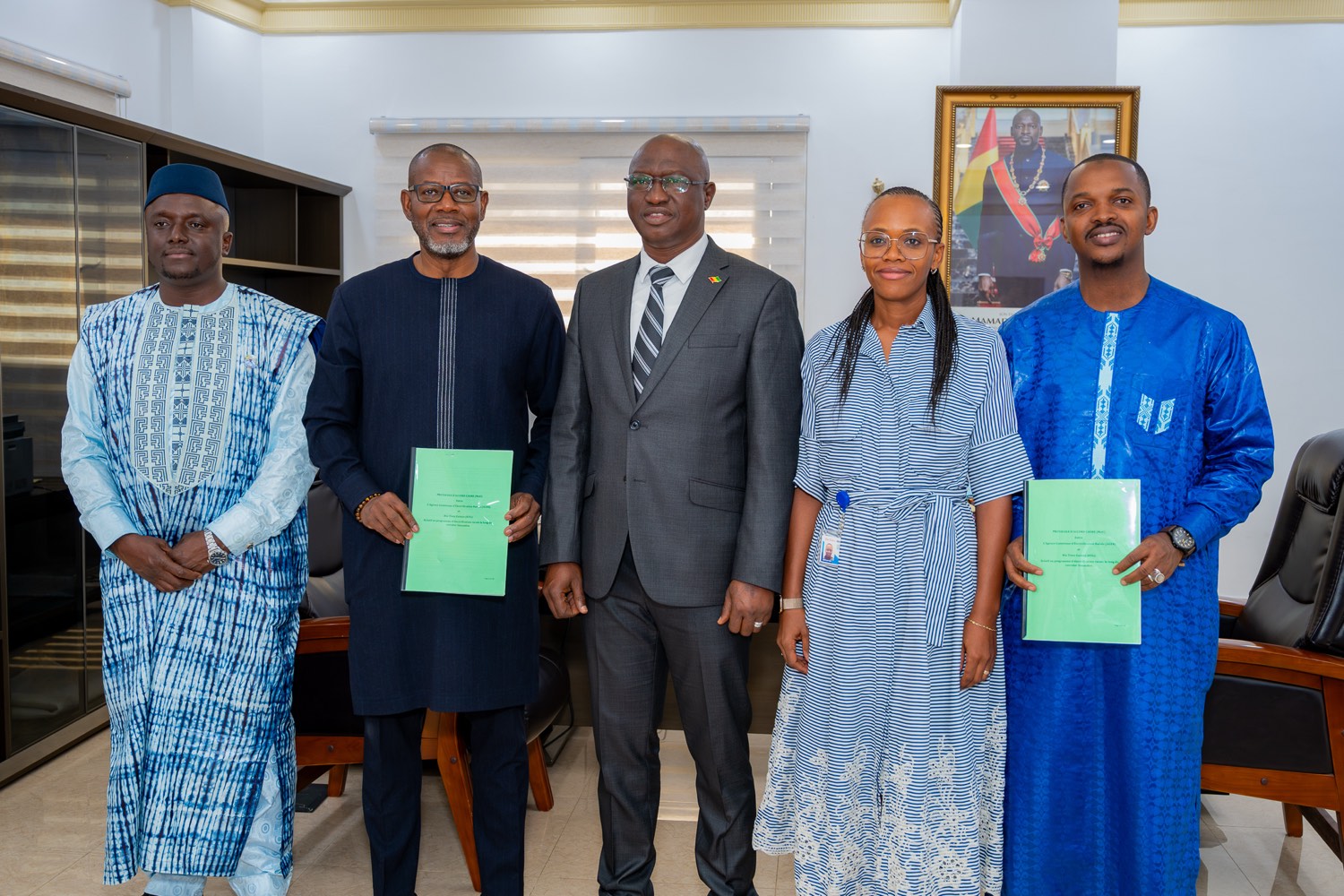
This agreement establishes a formal framework for coordination between Rio Tinto Guinea and AGER, in line with Guinea’s national rural electrification strategy and local development priorities. It aims to support sustainable access to electricity for rural and peri-urban communities, recognising electricity as a key enabler of improved living conditions, local economic activities, and access to essential social services such as health, education and security.
Under the MoU, the parties will work together to identify and prioritise rural electrification initiatives that respond to community needs along the Simandou corridor, while ensuring consistency with national planning processes and applicable environmental and social requirements.
Aboubacar Koulibaly, Head of Rio Tinto Guinea, said: “The development of the Simandou project must provide lasting benefits for communities. Access to electricity is a fundamental driver of development, and this partnership with AGER will help improve peoples’ living conditions and support economic uplift along the rail corridor — all the way from Beyla to Morebaya.”
The MoU does not replace any permits or approvals required under Guinean law. Any future operational or financial commitments would be addressed through separate implementation agreements, in line with applicable laws and regulations.
Through this agreement, Rio Tinto Guinea reaffirms its commitment to working in partnership with Guinean institutions to support inclusive local development, consistent with robust governance frameworks and environmental and social standards.